
The Significance of Pentecost
May 28, 2023

The Significance of Pentecost
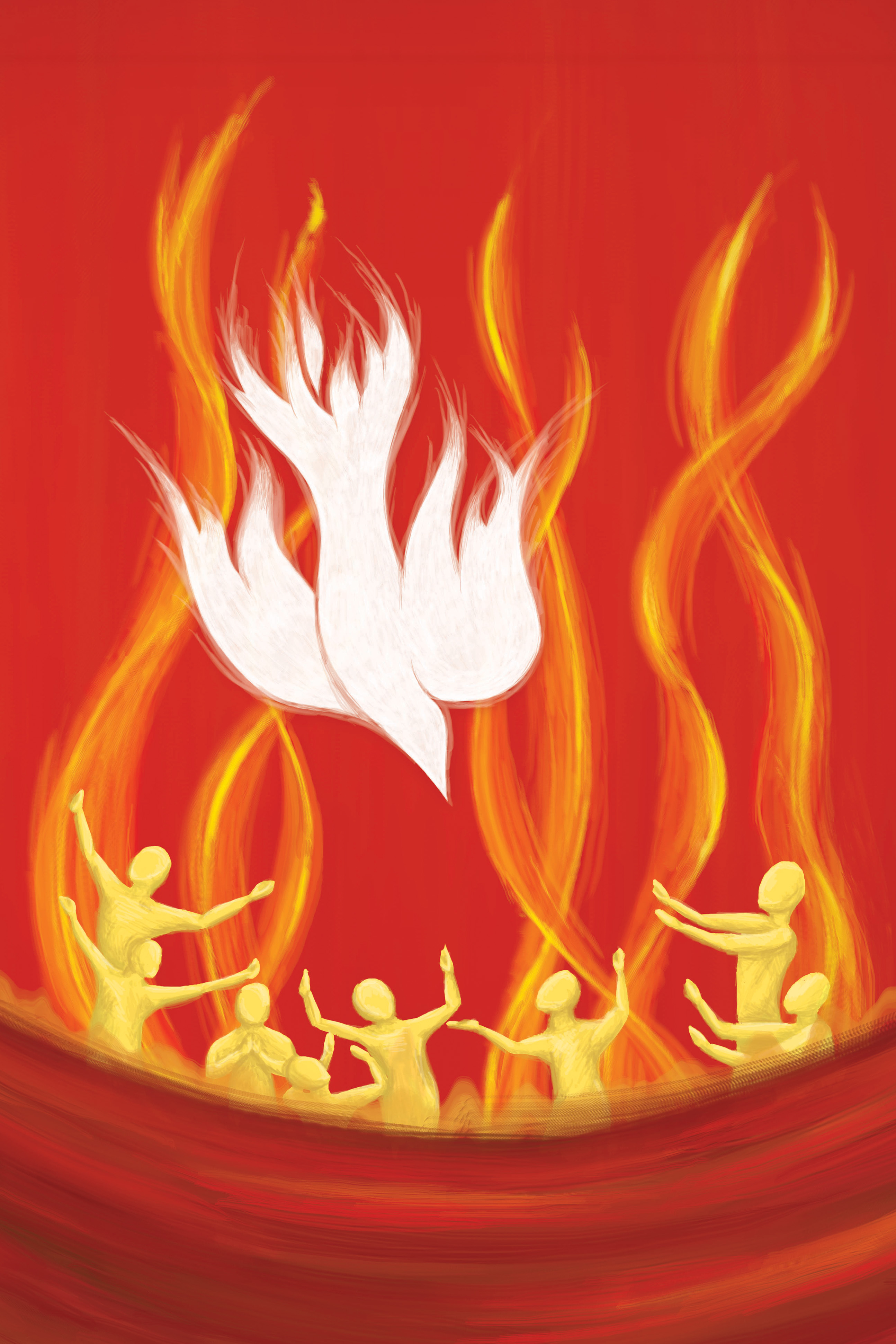
Pentecost is an important holiday celebrated by the Catholic Church, marked by its profound spiritual and historical significance. The event commemorates the descent of the Holy Spirit upon the apostles and early followers of Jesus, occurring 50 days after Easter Sunday, also known as the seventh Sunday after Easter. The celebration of Pentecost is rooted in the biblical account where the apostles and disciples were gathered together and experienced a sudden rush of a mighty wind, and “tongues of fire” appeared above them. This signified their anointing by the Holy Spirit. This miraculous event empowered them to proclaim the Good News of Jesus Christ, marking the birth of the early Christian Church.
In the Catholic tradition, Pentecost is not only a celebration of the Holy Spirit’s arrival but also a recognition of its ongoing presence and influence within the Church. It serves as a powerful reminder of the Church’s mission and the empowerment of its members to spread the gospel with passion and courage.
Liturgical Practices During Pentecost
The liturgical practices during Pentecost in the Catholic Church are rich and deeply symbolic. Red vestments are worn by the clergy to symbolize the fiery descent of the Holy Spirit, and churches are often adorned with red decorations, mirroring the flames. “Veni Sancte Spiritus” (Come, Holy Spirit), a touching hymn, resonates through the walls of churches during Pentecost Mass, embodying the church’s plea for divine guidance and presence.
Pentecost Observance Across the World
Globally, the observation of Pentecost varies significantly, reflecting the universal nature of the Church. In Italy, it is customary to scatter rose petals from church ceilings to mimic the Holy Spirit’s descent as flames. In parts of Germany and Central Europe, “Pfingsten” involves rural processions and the crowning of a “Pfingsten queen.” France often sees community gatherings and festive meals following Mass, celebrating the fellowship and unity fostered by the Holy Spirit among believers.
Historically, Pentecost also played a crucial role in the rites of initiation through baptism, particularly during the early centuries of Christianity. The rite of baptism during Pentecost underscores the themes of renewal, rebirth, and the cleansing power of the Holy Spirit, which are central to the celebration.
Priests and Parishioners View of Pentecost
Priests and parishioners view Pentecost as a day of empowerment, renewal, and spiritual invigoration. Many believe it is pivotal in reminding us of our origins as a Church and the transformative power of the Holy Spirit. Parishioners share this view, seeing Pentecost as a celebration of the dynamic influence of the Holy Spirit, which enables them to actively and confidently live out their faith.
Theological reflections on Pentecost emphasize its importance as a continual event in the life of the Church, not just a historical occurrence. Scholars and theologians argue that the Holy Spirit’s presence is as crucial today as it was at the Church’s inception, continually guiding, empowering, and renewing the faith of believers.
As we explore the profound impact of Pentecost, we realize its significance not only to the Church’s past but also its crucial role in the present and future. It is a day that reaffirms the universal and enduring mission of the Church. Through Pentecost, the Church celebrates the power of the Holy Spirit as a source of strength and inspiration for fulfilling its mission to spread the message of Christ to all corners of the world.