
Saint Thomas Aquinas
November 12, 2021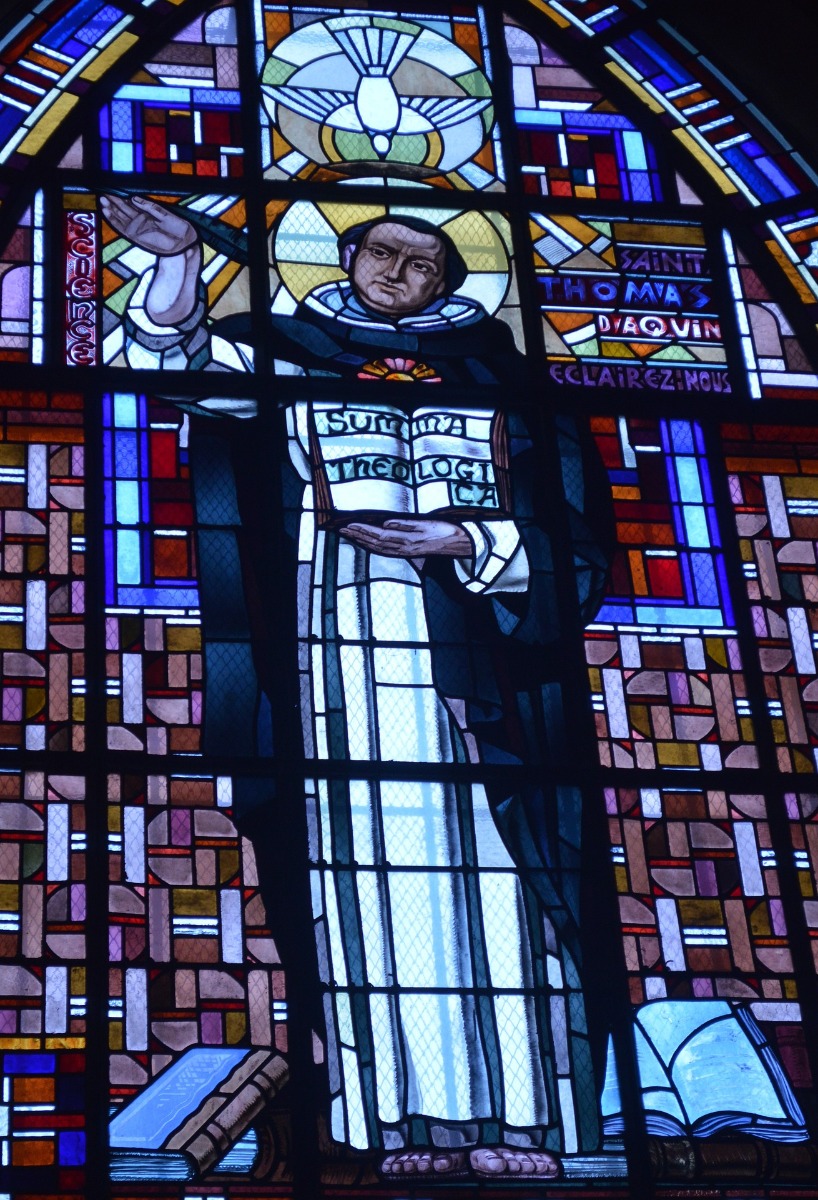
Thomas Aquinas is a Catholic priest, philosopher, and Doctor of the Church. Although his date of birth has not been confirmed, it is believed to be January 28, 1225. He was born into a noble family, with close family ties to the Holy Roman Empire. He was born near the town of Aquino in Italy and his original name was Thomas of Aquino, although later was known as Thomas Aquinas, a reference to where he was born.
Early Life of Thomas Aquinas
At a very young age, Aquinas’ parents understood their son was very intelligent and had high hopes of continuing the path of becoming an abbot. At age 5, his parents sent him to study at Monte Cassino. Impressing the monks at Monte Cassino, they suggested he go on to University at the young age of 10. Aquinas, at the age of 10, was studying philosophy at University of Naples. It was during this time that Aquinas wanted to join the Dominican Order.
Opposition From Family
Despite Aquinas' desire to join the newly formed Dominican Order, he faced heavy opposition from his parents and siblings. So much so that they kidnapped Aquinas and locked him away in the family’s castle. The family kept Aquinas imprisoned for about two years with the hopes that it would change his mind and he would renounce his allegiance to the Dominican Order. Aquinas found a way to escape and he immediately traveled to Rome and eventually Paris to study at the University of Paris.
Published Work of Aquinas
By his early twenties, Aquinas was teaching and publishing commentaries on philosophy. A lot of the work published by Aquinas was rooted in logic, nature, and metaphysics. During this time, he would also become ordained as a priest and successfully brought in many of his family members.
To this day the work of Aquinas is still read and taught today. The most popular readings include the Summa Theologica and the Compendium Theologica.
Death and Canonization
Aquinas was working on theological and philosophical work until he passed away on March 7, 1274. Almost fifty years after his death, Thomas Aquinas was canonized on July 18, 1323. The canonization process often involves acts of miracles at the hands of the individual being canonized. In the case of Saint Thomas Aquinas, Pope John XXII stated: “We believe that Brother Thomas is glorias in heaven, because his life was holy, and his doctrine alone is a miracle.” In other words, it was the published work of Saint Thomas Aquinas’ that earned him that status because of the immense impact it had on the church.