
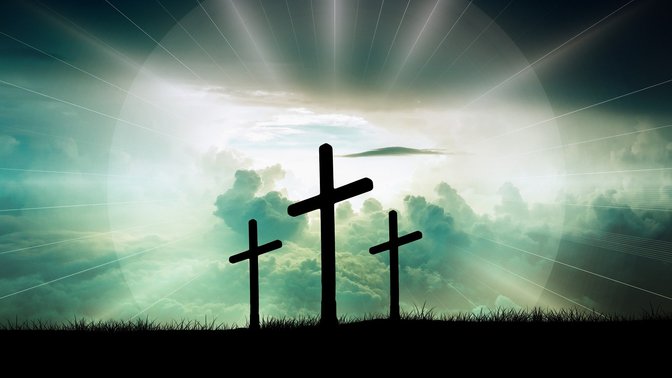
The History of Easter
March 23, 2022Easter is one of the most important holidays in the Christian church. It is a holiday in which we celebrate the resurrection of Jesus. The holiday is the closing of the Lent season which starts with Ash Wednesday. The significance of Easter, as told in the new testament, is an important part of the final period of life for Jesus, it is a holiday to be celebrated.
Facts About Easter
| ⛪ | Easter falls on a different day each year based on the position of the moon. |
| ⛪ | Easter is the conclusion of the six week season of Lent. |
| ⛪ | The week before Easter is typically referred to as the Holy Week. |
| ⛪ | During Holy Week, Christians will celebrate Good Friday on the Friday before Easter. It is in commemoration of the crucifixion of Jesus. |
Popular Ways of Celebrating Easter
Easter should always be a celebration of the resurrection of Jesus. But there are a lot of cultural symbols associated with the holiday including Easter eggs and the Easter Bunny. The Easter Bunny is often depicted as a bunny wearing clothes and delivering Easter eggs to children. The Easter Bunny tradition was initially started by German Lutherans. A bunny was chosen due to wide use in medieval church art, but there was also a belief that a hare (bunny) was a hermaphrodite, so it became associated with the Virgin Mary because it could reproduce eggs without losing their virginity. Perhaps more common is the symbolism of the eggs themselves. Eggs represent rebirth, a theme that is strongly associated with the Easter celebration.
Understanding Easter on the Calendar
Much like Ash Wednesday, you’ll notice that Easter falls on a different date every year. Ash Wednesday’s date is determined by first knowing when Easter is. The day we celebrate Easter is based on the position of the moon. It will always fall between March 22 and April 25th. Easter will always fall on the first Sunday following the Paschal Full Moon, which is the First Full Moon after the vernal equinox on March 21st.
When Is Easter?
| 2022 | Sunday, April 17 |
| 2023 | Sunday, April 9 |
| 2024 | Sunday, March 31 |
| 2025 | Sunday, April 20 |
| 2026 | Sunday, April 5 |
| 2027 | Sunday, March 28 |
| 2028 | Sunday, April 16 |
| 2029 | Sunday, April 1 |
| 2030 | Sunday, April 21 |
| 2031 | Sunday, April 13 |
| 2032 | Sunday, March 28 |
Divine Mercy Sunday
Divine Mercy Sunday falls on the Second Sunday of Easter, which is seven days following Easter Sunday. It is a feast holiday that came about from readings and revelations that came from Saint Faustina Kowalska. Kowalska was canonized in 2000 by Pope John Paul II so it is a relatively new holiday to the Christian Church. The holiday is associated with Kowalska’s description of her encounter with Jesus and ultimately represents the gift of mercy given to all. It is typically celebrated with a large feast and marks the conclusion of the Easter season.
Remember Why We Celebrate Easter
During the leadup to Easter we often see people thinking about hiding Easter eggs, eating candy, and waiting for the Easter Bunny to bring baskets of goodies. But it is important to remember that Easter is about celebrating the resurrection of Jesus and the culmination of the entire Lent season.
We also have a guide with tips for elevating your Easter worship service.